
What Happens After the Funeral? Gentle Next Steps for Grief | GLADD
Grief Support · Grief After a Funeral · Bereavement Support · Life After Loss
What Happens After the Funeral? Gentle Next Steps When Grief Becomes Real
After the funeral, many people notice a quieter but more immediate reality of loss. The crowds thin, the schedule loosens, and you may be left with a mix of emotions and practical responsibilities—along with the truth that there is no “correct” way to feel.
At a Glance
Your feelings may shift. You might feel numb, overwhelmed, relieved, angry, sad, or all of these at different times.
You do not need to do everything today. Focusing on one small next step at a time is enough.
Support is still available after the service ends. You are allowed to reach out for company, understanding, and care.
There Is No “Correct” Way to Feel After the Funeral
After the funeral, there is often a quiet that feels louder than any ceremony. Guests go home, schedules resume, and you may suddenly be alone with tasks, memories, and a reality that hasn’t fully sunk in. There is no “correct” way to feel in this moment. Numbness, exhaustion, sadness, relief, anger, confusion, or feeling strangely disconnected can all be part of a very human grief experience.
If your emotional state after the funeral doesn’t match what you expected, that does not mean you are doing anything “wrong.” Grief is not a process with a predictable roadmap or a neat version history. It’s more like something running many background processes at once, some of which you can’t see yet. Different feelings can appear and disappear quickly, or not show up for a while. All of these can be part of a valid response to loss:
Numbness or “blank” feelings — as if your mind has temporarily shut down certain responses to get you through the day.
Exhaustion — emotional, mental, and physical fatigue after days or weeks of planning, visitors, and decisions.
Sadness or deep longing — waves of missing the person, sometimes triggered by small daily routines.
Relief — especially if there was suffering, conflict, or long-term caregiving; relief can exist alongside love and grief.
Anger or frustration — at circumstances, illness, other people, or even the person who died.
Confusion or feeling disconnected — time may feel strange, tasks may feel unreal, and it can be hard to focus.
These reactions can shift from hour to hour. You might feel okay while washing dishes and overwhelmed five minutes later. You might laugh at a story and cry in the same breath. All of this can be part of your unique experience, not a test you have to “pass” or something you need to fix.
💡 Gentle reminder: You do not have to explain or justify your reactions to anyone. Your experience is yours, and that is enough.
The First Hours and Days: Start With the Smallest Possible Next Step
When the service is over and people begin to leave, there can be a sudden drop in structure and support. Before the funeral, you may have had a clear list of things to do: phone calls, arrangements, clothing, speeches. Afterward, the list can feel less defined but just as heavy.
Instead of trying to “solve” grief or plan out the next year, it can help to focus on the smallest possible next step. You do not have to know how you will get through the whole week. You only need to decide what might help you through the next few minutes or the next hour.
Rest and Accept Practical Help
Your body and mind have been under strain. Rest is not avoidance; it is part of how you get through something this big. If someone offers to bring food, do laundry, drive you to an appointment, or help with paperwork, it is okay to say yes. Accepting help does not mean you are failing to cope; it means you are honoring your limited energy in a demanding moment.
Focus on Immediate Needs, One Day at a Time
Instead of trying to plan the next six months, you might focus on what is needed in the next 24 hours. For many people, that looks like:
Eating something, even if it is simple or small.
Drinking water or another hydrating drink regularly.
Taking any medications as prescribed.
Handling only the most time-sensitive tasks, and letting the rest wait.
You don’t need a full roadmap. A very short list of “today only” tasks can be enough. Thinking in terms of “just this one thing” can make the hours ahead feel slightly more approachable.
Allowing Emotions Without Pressure or Deadlines
People around you may say things like “stay strong” or “they would want you to be happy.” These comments are often well-meant, but they can accidentally create pressure to feel a certain way or to move through grief on a schedule. You do not have to perform your grief for others, and you do not have to hide it either. You can:
Cry when tears come, or not cry at all, without judging yourself.
Talk about the person, or sit in silence, or switch topics when it feels like too much.
Laugh at memories or jokes without feeling disloyal to their memory.
Emotions may arrive like unexpected pop-up windows. You don’t have to close them instantly, and you also don’t have to stare at them all day. You can give yourself permission to feel what you feel for a moment, then gently return to whatever helps you get through the next hour.
“You do not have to do everything perfectly. You only have to take the next small step that feels possible.”
Identify One Trusted Person You Can Contact
When you are overwhelmed, it can be hard to decide who to talk to or what to say. One practical step is to choose a single trusted person—a friend, relative, neighbor, or colleague—who understands that you may reach out at odd times and might not always know what you need.
Keep their name and number somewhere visible, like on your phone’s home screen, a note on the fridge, or beside your bed.
Let them know they are your “go-to” person right now, if that feels comfortable.
Remind yourself that you do not need perfect words. A message as simple as “Today feels heavy” is enough.
You do not owe anyone constant updates. This is about having at least one person who knows they are on your “support list” and who accepts you as you are, without trying to push you toward a specific outcome.
Creating a Simple Routine in the Weeks After the Service
As days turn into weeks, the world may seem to expect you to “get back to normal,” even if normal no longer exists in the same way. Instead of forcing yourself into your old patterns, you might experiment with a smaller, gentler routine—a minimal version of your life while everything is recalibrating.
Wake up around a similar time, even if you move slowly afterward.
Have at least one small meal or snack you don’t have to think much about, like toast, soup, or something pre-prepared.
Step outside briefly if possible—onto a porch, balcony, or sidewalk—to feel air and light.
Choose one simple task (paying a bill, answering one email, folding a few clothes) and let that be enough for the day.
Over time, you can adjust this routine as your capacity shifts. There is no grade, no deadline, and no need to compare your pace to anyone else’s.
Making Space for Remembrance in Your Own Way
After the formal rituals end, you may want ways to remember the person that feel more personal and less public. There is no single correct approach here either. You might:
Keep a small object of theirs—a watch, scarf, or note—somewhere you can see it or hold it when you wish.
Write down stories or phrases they used to say, before the details begin to blur.
Create a quiet ritual, like lighting a candle at a certain time or playing a song they loved.
Look through photos when you feel ready, not because you “should,” but because you want to connect.

Small, personal rituals can offer a quiet way to stay connected over time.
If certain rituals or reminders feel too painful right now, you can pause them. You can always return later or choose different ways to remember. Your relationship with their memory can evolve, just as your daily life does.
When and How to Seek Additional Support
At some point, you may feel that talking with people beyond your immediate circle could be helpful. This doesn’t mean you are “not strong enough” or that something is wrong with you. It simply means you are human and carrying something heavy. Support can look like:
A grief support group, online or in person, where others understand the language of loss.
One-on-one conversations with someone trained to sit with grief without rushing it.
Educational resources that help you name and normalize what you’re experiencing, without promising a specific outcome.
GLADD Community is a nonprofit grief support organization where you can explore community spaces, healing resources, events, and certified grief coaches at your own pace. If and when it feels right, you might choose to browse an article, attend a virtual gathering, or schedule time with a coach who focuses on listening and companionship rather than quick fixes.
📌 Optional support: The GLADD Support Line at 1-844-42-GLADD (1-844-424-5233) is available as a non-emergency resource if you would like to talk with someone about what you’re going through. It does not replace emergency services. If you or someone else is in immediate danger, call 911 or local emergency services.
What You Can Do Today: A Gentle Checklist
You don’t have to do all of these. You don’t have to do any of them perfectly. This is a menu, not a mandate. Choose one or two items that feel possible today and let that be enough.
Take care of your body in one small way. Drink water, eat a simple snack, or take a short walk to the mailbox or down the hall.
Rest without guilt. Sit or lie down for a few minutes, even if you don’t sleep. Let your body be supported by a chair, bed, or couch.
Write down one tiny task for today. It might be “take out the trash” or “reply to one message.” When it’s done, you are done for now.
Reach out to one person. Send a short text to your trusted contact, even if it’s just “Today feels heavy.”
Make a small space for remembrance. Place a photo or keepsake somewhere that feels right, or simply think of one memory you want to hold close today.
Consider gentle support options. When it feels right, you might visit GLADD Community online, read a short article, or note the GLADD Support Line number—1-844-42-GLADD (1-844-424-5233)—for a time when you might want to talk. Remember that this line is not emergency services; for immediate danger, call 911 or local emergency services.
How to Show Up After the Funeral
If you’re reading this as a friend or family member, the days after the funeral are often when your ongoing support matters most. The initial crowd thins, but the reality of loss can become clearer for the person who is grieving. You don’t need perfect words; small, steady gestures can mean a lot.
Keep checking in. Send a short message that doesn’t require a response, such as “Thinking of you today. No need to reply.”
Offer specific help. Try “I can drop off dinner on Thursday” or “I’m free to help with paperwork on Saturday” instead of “Let me know if you need anything.”
Remember meaningful dates. Gently check in around birthdays, anniversaries, and other important days, knowing they may be especially tender.
Listen more than you speak. Allow silence, stories, and tears without trying to fix the loss or push them to “look on the bright side.”
Respect their pace. Some days they may want to talk; other days they may not respond. Your steady presence over time can help them feel less alone.
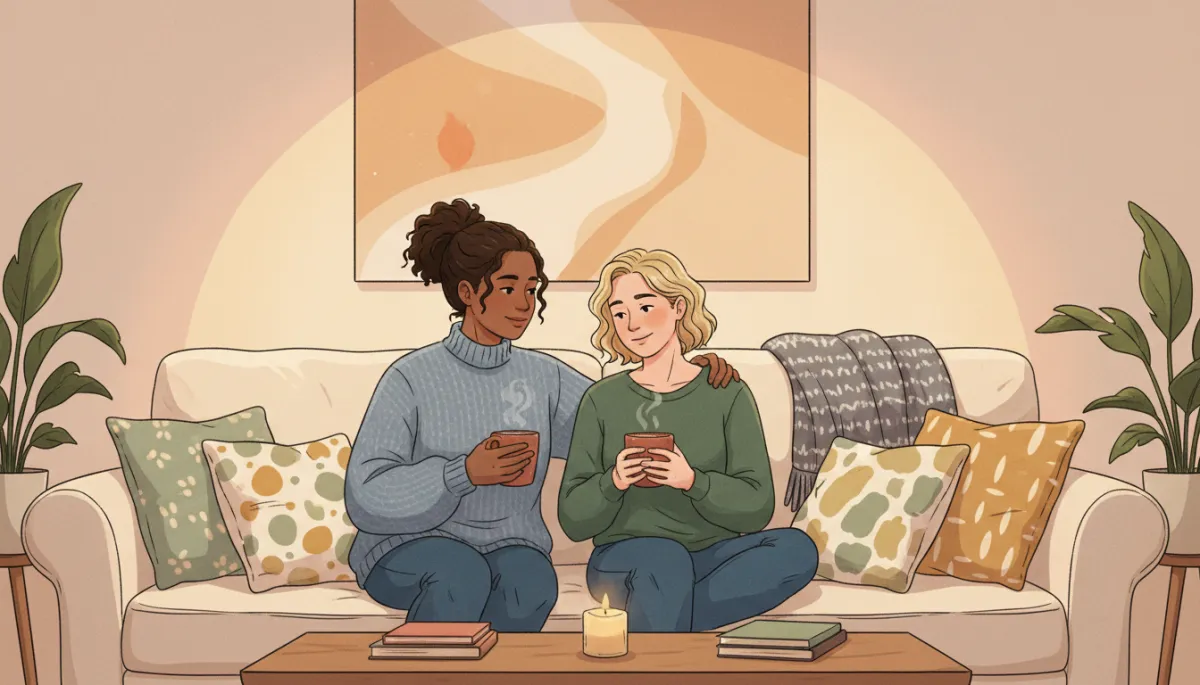
You are not responsible for fixing someone’s grief, and you do not need professional training to be a kind presence. Simply staying in touch over time can make a meaningful difference.
Frequently Asked Questions About Life After the Funeral
1. Is it normal to feel worse after the funeral than before?
Many people notice that their feelings shift after the funeral, and sometimes that shift feels harder. Before the service, there is often a clear structure and a list of tasks. Afterward, the reality of the loss may feel more immediate, and the support around you may become quieter. This change can feel like a drop in support, even if people still care. Your reactions—whether more intense, more numb, or constantly changing—can all be part of a human response to loss, not a sign that you’re failing to cope.
2. How do I know if I should seek extra support?
There is no universal rule or timeline. Some people look for support immediately; others wait weeks, months, or longer. You might consider additional support if you feel very alone with your experience, if you want a place to talk without worrying about burdening friends, or if you are simply curious about connecting with others who understand grief. GLADD Community offers resources, events, and certified grief coaches who focus on listening and companionship. The GLADD Support Line (1-844-42-GLADD / 1-844-424-5233) is an optional non-emergency resource if you’d like to talk with someone. It is not emergency care; for immediate danger, please contact 911 or local emergency services.
3. What if I feel relief instead of constant sadness?
Relief can be a very human response, especially if there was long-term illness, pain, or conflict. Feeling relief does not cancel out love, care, or grief. You might feel relief and sadness at the same time, or at different moments. You don’t have to judge yourself for this or explain it to others unless you want to. Your feelings are allowed to be complex and layered.
4. How can I handle practical responsibilities when I have no energy?
Practical tasks after a death—paperwork, bills, phone calls—can feel overwhelming. It may help to sort them into three rough categories: urgent (must be done soon), important but not urgent, and can wait. You can ask someone you trust to help you sort or complete tasks. You might also choose one small action per day rather than trying to do everything at once. This article cannot offer legal, financial, or medical advice, so for those areas, consider reaching out to qualified professionals who can guide you through specific steps at a pace that works for you.
5. What if I don’t share the beliefs mentioned at the funeral?
Funerals sometimes reflect the beliefs of certain family members, communities, or traditions. If those beliefs are not your own, you might feel disconnected, frustrated, or unsure where you fit in. Your personal perspective still matters. You can create your own private ways of remembering the person that align with your values—through music, writing, nature, art, or quiet reflection. Your grief does not have to follow any particular spiritual or cultural template to be valid.
6. How long will I feel like this?
Grief doesn’t follow a fixed schedule, and this article cannot predict or promise specific outcomes. Many people notice that their relationship to grief changes over time: some days feel heavier, some lighter, and certain dates or reminders may bring up strong feelings again. Instead of looking for a finish line, it may help to focus on what supports you today, and to adjust as your needs shift. Communities like GLADD Community are available along the way, not just at one moment in time, so you can connect when and how it feels right for you.
You Do Not Have to Do This Alone
After the funeral, it can feel as if the world has moved on while you are still standing in the same place. If that’s where you are, you are not failing and you are not behind. You are carrying something that matters, and that takes time, energy, and care. There is no single correct way to grieve, no perfect set of steps, and no requirement to be “strong” in ways that deny what you feel inside.
You are allowed to rest. You are allowed to accept help. You are allowed to move slowly, to remember in your own way, and to seek company when the quiet feels too large.
You Do Not Have to Do This Alone. When you are ready, you can explore GLADD’s communities, healing resources, events, and certified grief coaches at your own pace.
The GLADD Support Line at 1-844-42-GLADD (1-844-424-5233) is available as a support resource, not emergency services. If you or someone else is in immediate danger, call 911 or local emergency services.
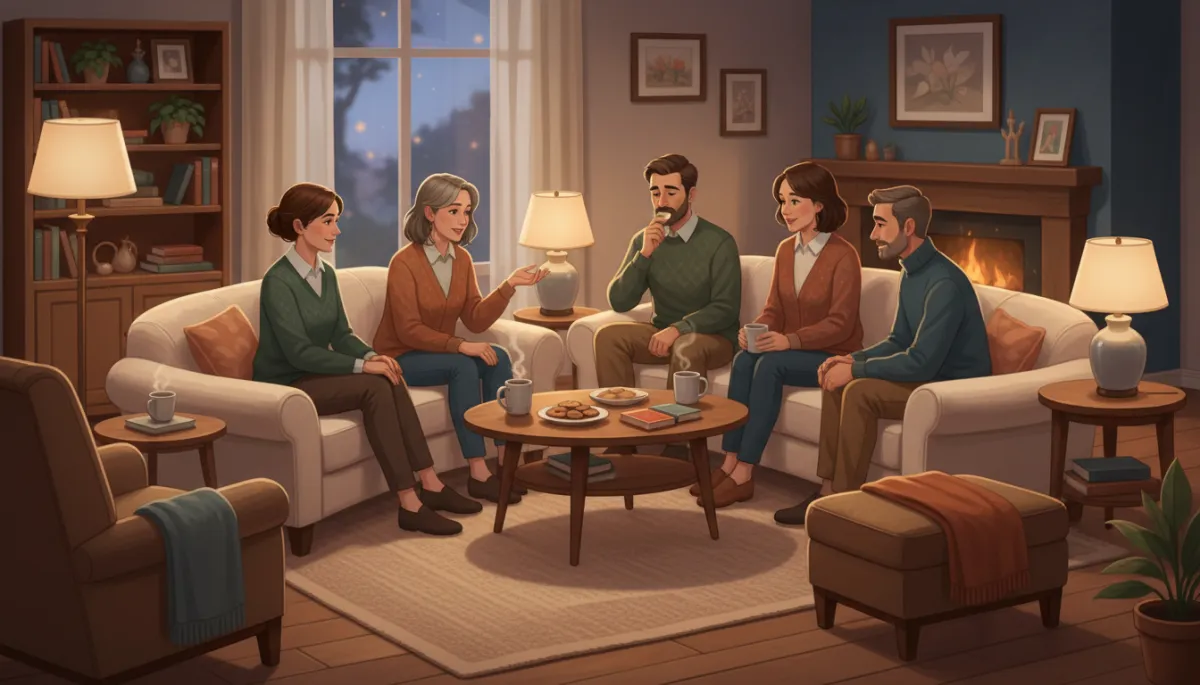
However, you move through the next hours, days, and weeks, you do not have to do it perfectly. You only have to take the next small step that feels possible. When you’re ready, there are people and communities willing to walk alongside you.
GLADD Community is a nonprofit grief support organization. The GLADD Support Line is available at 1-844-42-GLADD (1-844-424-5233) as a non-emergency support resource. If you or someone else is in immediate danger, call 911 or local emergency services.